Table of Contents:
Shining like a jewel on the shores of the Bosphorus, located between Beşiktaş and Kabataş, Dolmabahçe Palace is not just a building, but a stone-carved summary of the Ottoman Empire's final century. Built by the order of Sultan Abdülmecid, this masterpiece combines the mystery of the East with the aesthetics of the West.
The Story of the Transition from Topkapi
For centuries, Topkapi Palace hosted the Ottoman dynasty, but by the 19th century, it had become insufficient for state protocols. As winds of Westernization blew, Sultan Abdülmecid dreamed of a modern structure that would rival the palaces of European monarchs. Construction began in 1843 and was completed in 1856 under the direction of Armenian architect Garabet Balyan and his son Nigoğos Balyan.
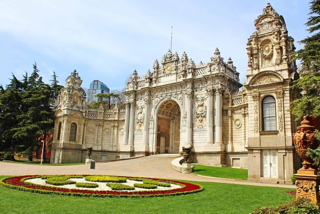
Architectural Details and Unique Decorations
Dolmabahçe features an eclectic architecture blending Baroque, Rococo, and Neoclassical styles with Ottoman traditions. The palace was built using marble from Marmara Island and alabaster from Egypt.
Palace Sections: Selamlik and Harem
The palace consists of three main sections:
- Mabeyn-i Hümayun (Selamlik): The administrative section where state affairs were conducted and the Sultan received ambassadors. The most magnificent decorations are found here.
- Muayede Salonu (Ceremonial Hall): A massive 2000-square-meter hall where the Sultan held holiday greeting ceremonies.
- Harem-i Hümayun (Harem): The private living quarters of the Sultan and his family.
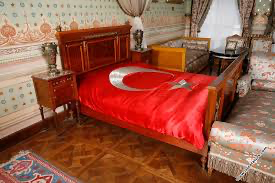
A Sorrowful Room: Mustafa Kemal Atatürk
For us, the most emotional point of Dolmabahçe Palace is undoubtedly Room Number 71. The founder of the Turkish Republic, Gazi Mustafa Kemal Atatürk, passed away in this room. The clock in the room is set to 09:05, the moment of his passing. The atmosphere of silence and respect experienced while visiting this section gives visitors goosebumps.
2026 Entrance Fees and Visiting Hours
Here is the practical information you need before visiting Dolmabahçe Palace (2026 update):
| Ticket Type | Price (Estimated) |
|---|---|
| Full Ticket (Selamlik + Harem + Painting Museum) | Current tariff (separate rates for Foreign Visitors and Turkish Citizens) |
| Student | Discounted Rate |
Note: Prices are subject to change seasonally. Please check the official National Palaces (Milli Saraylar) website before your visit.
Visiting Hours: Open daily from 09:00 to 16:00, except Mondays.